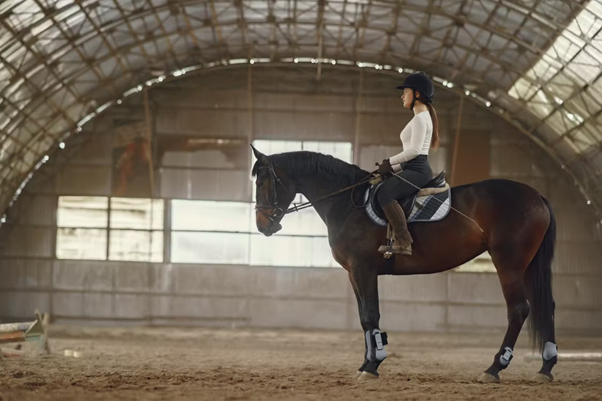
I still remember the first time a horse ignored me completely. I was seventeen and thought I knew how riding worked. The mare I was on stopped at a small crossrail, refused to move, and just stood there. I squeezed harder. She yawned. My instructor said something I never forgot: she is not being difficult, she is telling you that you have not actually asked her anything yet.
That was when I really started learning to ride. Not when I first sat in a saddle, but when I realized horses don’t follow commands, they respond to communication. Fifteen years later, that still shapes how I ride.
If you are curious about equestrian sports, whether you are a beginner or coming back after a break, here is what I wish someone had told me earlier.
Why Communication Matters More Than Control in Riding
The biggest misconception beginners carry into the saddle is that riding is about controlling the horse. It is not. A horse that is genuinely controlled, meaning forced into compliance through strength, is dangerous, unpredictable, and miserable to ride. A horse that is communicating with you is something else entirely.
When you shorten your reins, you are not pulling the horse’s head back. You are just adjusting your contact and the horse’s balance and rhythm. Closing your leg is not kicking, it is simply asking for more energy or movement. How the horse responds tells you how clear your aid was. If they brace, rush, or do not respond, it usually means the signal was unclear, not that the horse is being stubborn.
This shift in thinking changes how you train, how you respond when things go wrong, and how quickly you improve. Riders who focus on control tend to plateau early, while those who focus on communication keep progressing.
Your Riding Discipline Should Match You, Not Just Aesthetics
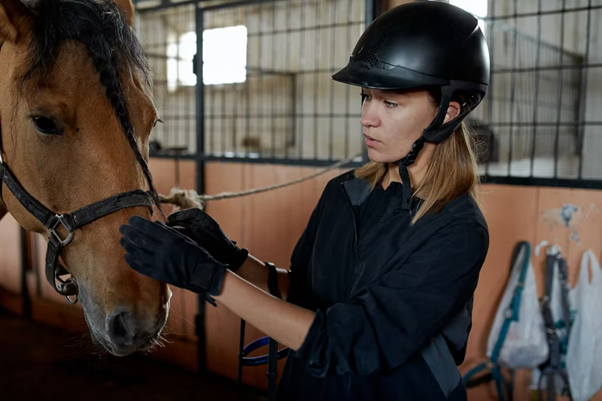
Every equestrian discipline looks beautiful in photos. What you don’t see is the day-to-day reality: the repetition, the physical effort, and the mindset each one demands.
Before you commit to a discipline and start investing in lessons, gear, and a trainer, it’s worth being honest with yourself.
Do you enjoy precision and slow, steady progress? Dressage is built on patience and attention to detail. Sometimes a movement improves only slightly over months, but that small change matters a lot.
Do you need speed and adrenaline to stay engaged? Show jumping and eventing might suit you better. Cross country in particular, galloping over solid fences in open terrain, is physically and mentally intense.
Are you more drawn to time outside and long rides than arena work? Then trail riding or endurance riding will probably feel more natural than disciplines focused on arena patterns.
Do you want something completely different from traditional equestrian sports? Skijoring is worth looking into, where a horse pulls a skier over snow. It takes skill, quick reactions, and real trust between horse and rider, but it is more accessible than it first appears.
A common mistake is choosing a discipline because it looks good, then losing motivation when the daily reality does not match expectations. It helps to be honest with yourself before committing.
Three Things That Make a Real Difference in Your Progress
Ride more than one horse. This might sound obvious, but many riders stay with a single horse for years and then struggle when they ride something unfamiliar. Every horse feels different in the mouth, movement, and sensitivity, so changing horses forces you to adapt instead of relying on habits that only work in one situation.
Watch the horse before you ride. Take a few minutes to observe them in the stable or field before getting on. Notice how they move, whether they seem relaxed or tense, and if anything might have affected them that day. A horse that feels stiff or anxious needs a different warm-up than one that is calm and settled.
Record yourself riding. I avoided this for a long time because I did not want to see what it actually looked like, and that was a mistake. Video shows things you cannot feel in the saddle. Your position and your perception of it are often very different, and even simple clips can reveal things your instructor has been pointing out for months.
Where to Start
If you are new to riding, the key is to start simple and build strong basics step by step. Do not rush into buying gear or thinking about owning a horse too early.
If you are new to riding, the key is to build strong basics step by step without rushing into equipment or horse ownership.
Step 1: Find a reputable riding school: start with a certified instructor and calm, well-trained school horses to build safe foundations.
Step 2: Watch or try an introductory lesson: observe if possible, then take a trial class and look for clear teaching and relaxed horses.
Step 3: Start consistent weekly lessons: one lesson per week is enough at the beginning; progress comes from regular practice.
Step 4: Focus on balance and seat: learn to sit correctly and move with the horse before anything advanced.
Step 5: Learn basic horse handling: grooming, leading, and tacking up help build confidence and understanding.
Step 6: Avoid buying gear or a horse early: use school equipment until you understand what you actually need.
Step 7: Reflect after each lesson: note one improvement and one thing to work on.
With time, you will start to feel real progress, gain confidence in the saddle, and understand your horse in a much more natural way. The more consistent you are, the more everything starts to make sense.